

The Town Hall Rich List is an essential tool for residents to hold their councils to account. The first three editions of the Town Hall Rich List had to be compiled through individual freedom of information requests to every local authority, which meant the quality of responses varied considerably. Campaigning by the TaxPayers’ Alliance on this issue led to new rules requiring councils to provide more detailed remuneration reports in their annual accounts.[9] This was a significant step towards greater transparency and accountability in local government. In 2026, pay bands of employees receiving over £50,000 are published in annual accounts, with a more detailed breakdown provided for senior staff.
However, there is still more to be done. Councils must meet their existing statutory obligations of publishing accounts on time. Pay bands for those receiving above £50,000 should include the pension component of remuneration and teaching staff should be listed separately. In addition, greater standardisation in annual accounts is also necessary for comparisons across councils. With the number of local authority employees receiving at least £100,000 in total remuneration rising to a record high for the second year in a row, the case for greater transparency has never been stronger.
| Council | Region | Name | Job Title | Salary | Expenses/ benefits in kind | Bonuses | Compensation for loss of office | Other | Sub total (excluding pension) | Sub total (excluding pension)Sub total (excluding pension)Pensi | Total | ||
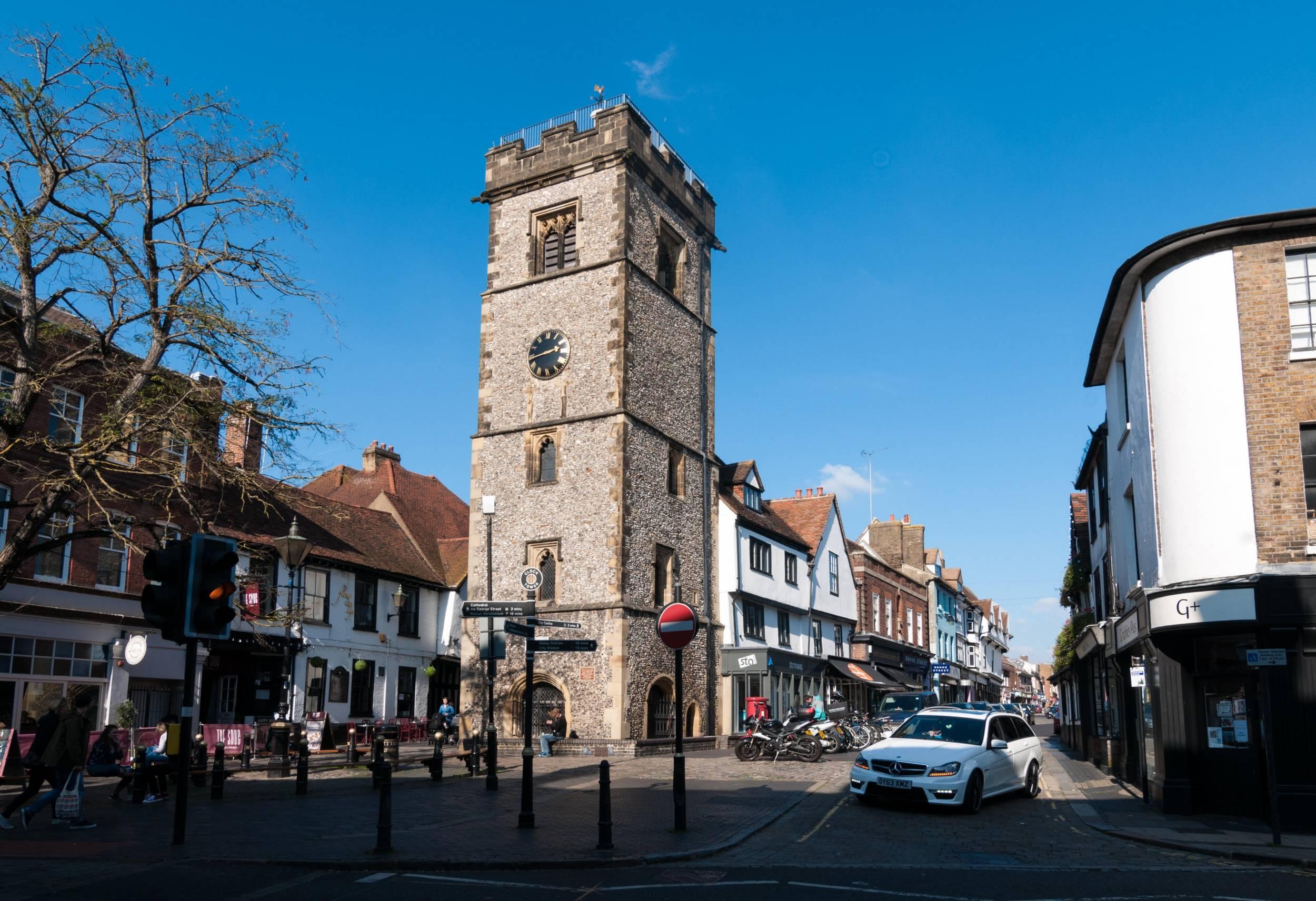
| St Albans | East of England | District council | Undisclosed | Chief executive and head of policy | £118,834 | £118,834 | £23,410 | £142,244 | |||||
| St Albans | East of England | District council | Undisclosed | Strategic director – community and place delivery | £107,068 | £107,068 | £21,092 | £128,160 |

Comments