

What do a £52M ROAD in GUYANA,
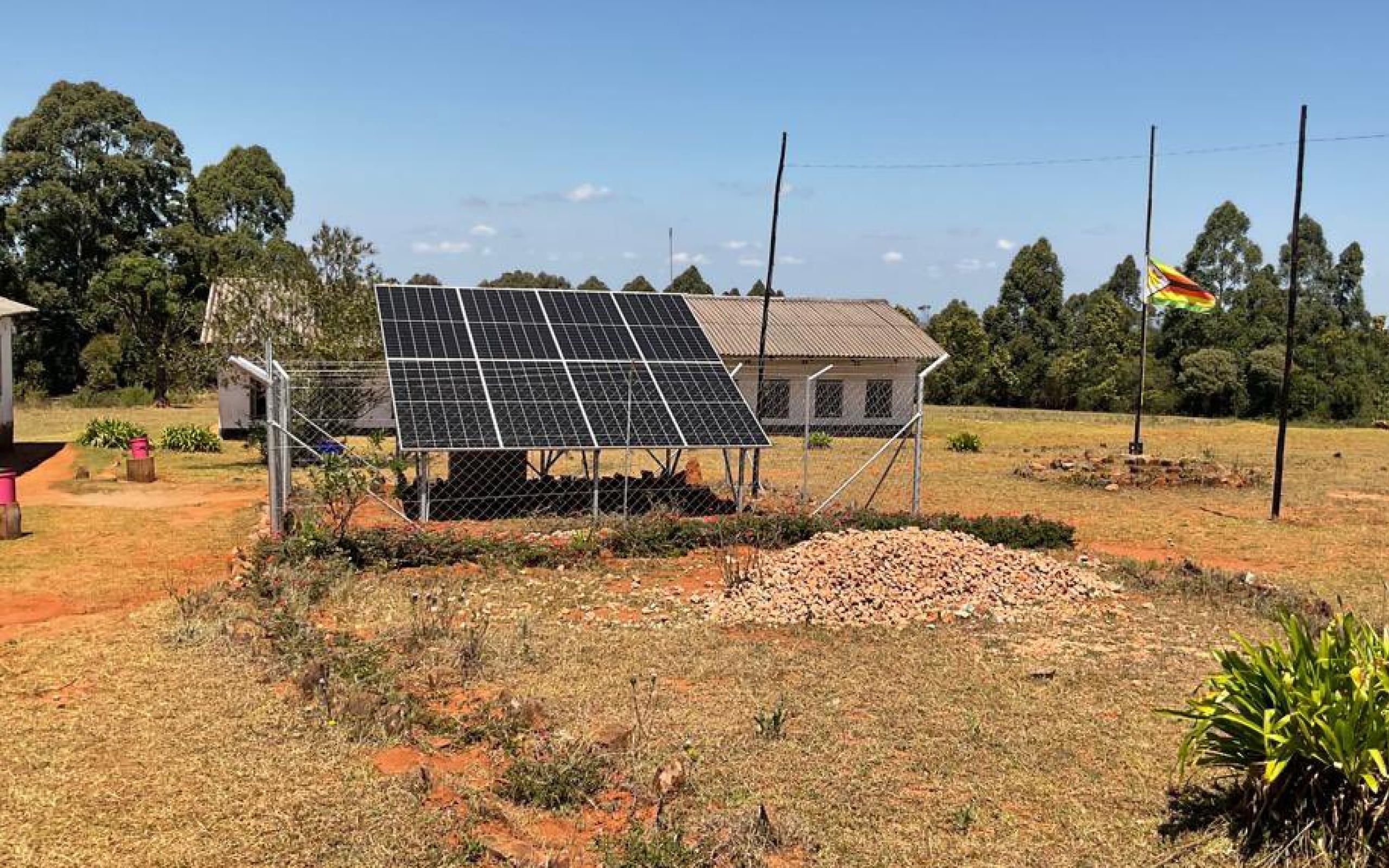
RUSTING SOLAR PANELS in ZIMBABWE
and CONDOMS in THE CONGO
have in common?
You’re paying for them,
in the name of climate aid.
A £52m road through the Amazon jungle is being built using British aid that is intended to help the climate, The Telegraph can reveal.
The road in Guyana goes nowhere other than a tiny village and has long been criticised by environmentalists, though it is celebrated by the oil industry. It is just one among hundreds of schemes funded by taxpayers through the International Climate Finance initiative (ICF).
Few will have heard of the ICF outside Westminster circles. It is the result of the Government’s determination to push a green agenda: devised under the Conservatives and continued by Ed Miliband, it was set up to funnel aid to climate projects in developing countries. It will be used to spend £11.6bn in foreign aid by the end of this financial year.
But The Telegraph can reveal that dozens of ICF projects have become mired in claims of corruption and waste – while many purportedly green programmes seemingly have nothing to do with the environment.
Projects funded by ICF money include a push to stop ocean plastic pollution in landlocked African countries, support for the Nigerian oil industry, and the distribution of free condoms in the Congo to try to stop deforestation by slowing population growth.
The revelations come days before the Cop30 climate summit, where Sir Keir Starmer will attempt to establish himself as a “world leader” on climate action and net zero.
The Telegraph undertook a seven-month investigation into ICF projects, sifting through thousands of pages of documents obtained through freedom of information requests.
Today, we detail the projects we uncovered – and expose how the political culture around climate change drives decisions on aid spending.
The ROAD to NOWHERE
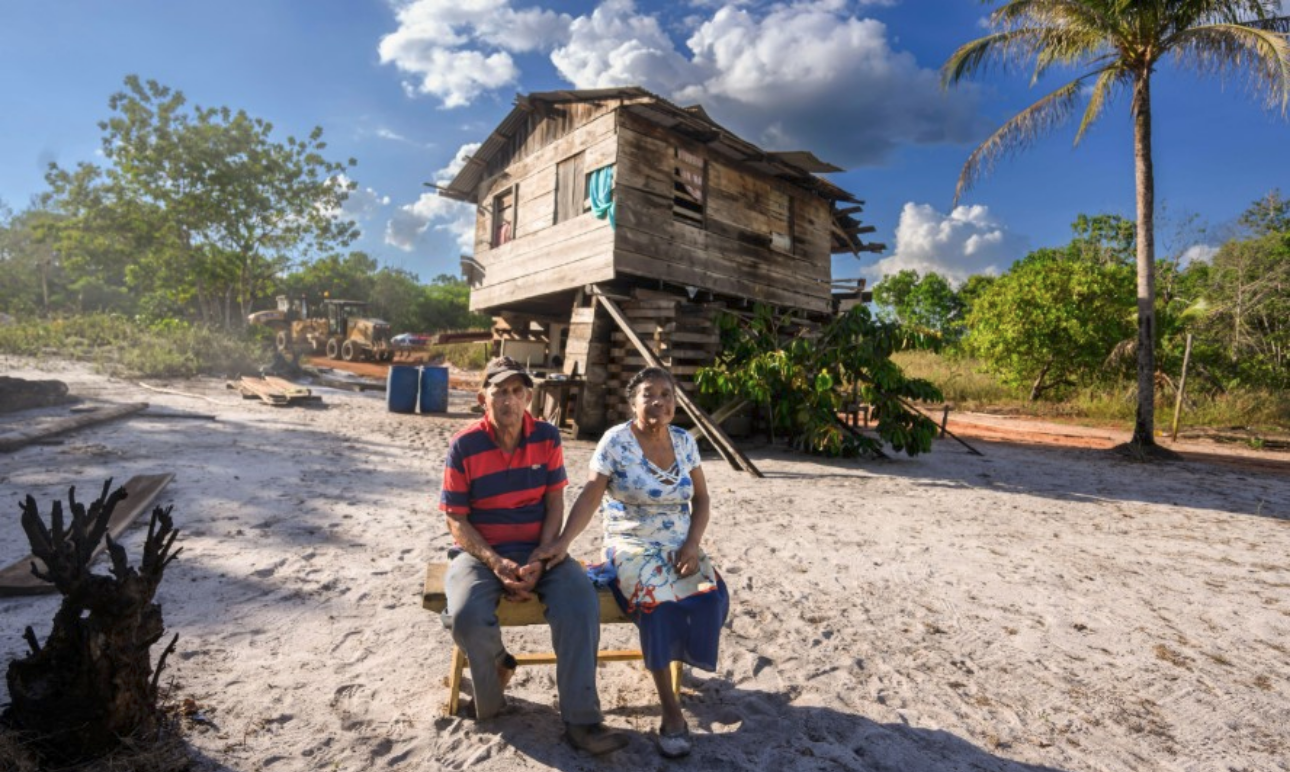
“Earthquake!” Angelina Joseph shouted at her husband as she woke with a fright, her one-room wooden hut on stilts shaking from side to side.
They don’t often get earthquakes in the jungle of Guyana. But in fairness to Angelina, she doesn’t often see 19 tons of heavy machinery at her front door either.
Proposals for the highway – from the Caribbean country’s capital, Georgetown, all the way to Brazil – have been debated since the 1920s, when Henry Ford offered to build it.
Ford’s condition, so the story goes, was that only his cars would be allowed to drive on it. Unable to accept these terms, the British colonial administration turned him down.
It would be another 100 years before asphalt trucks finally rolled down the dirt trail, paid for by today’s British taxpayers under the guise of climate aid.
The catch this time? The road will go only part of the way.
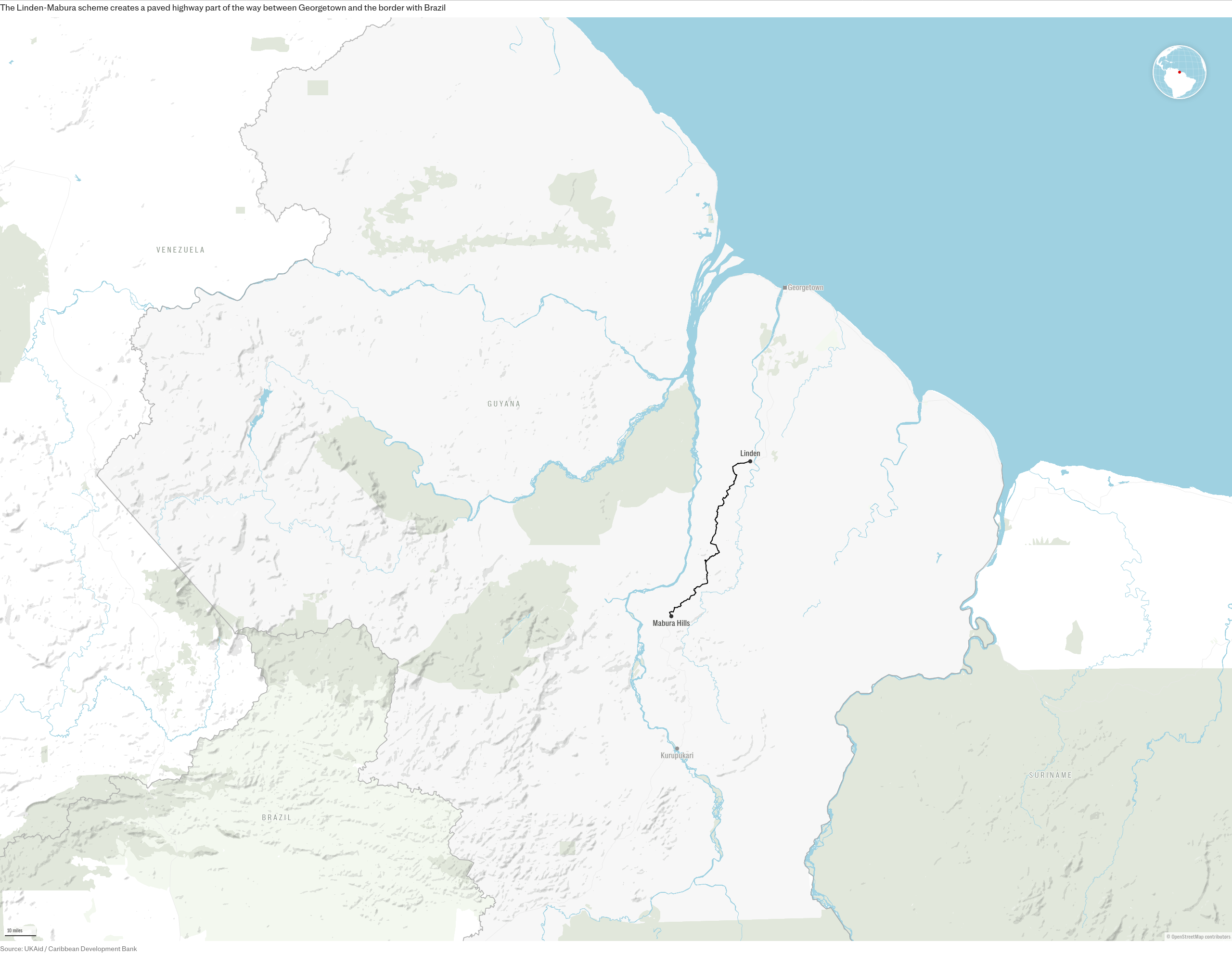
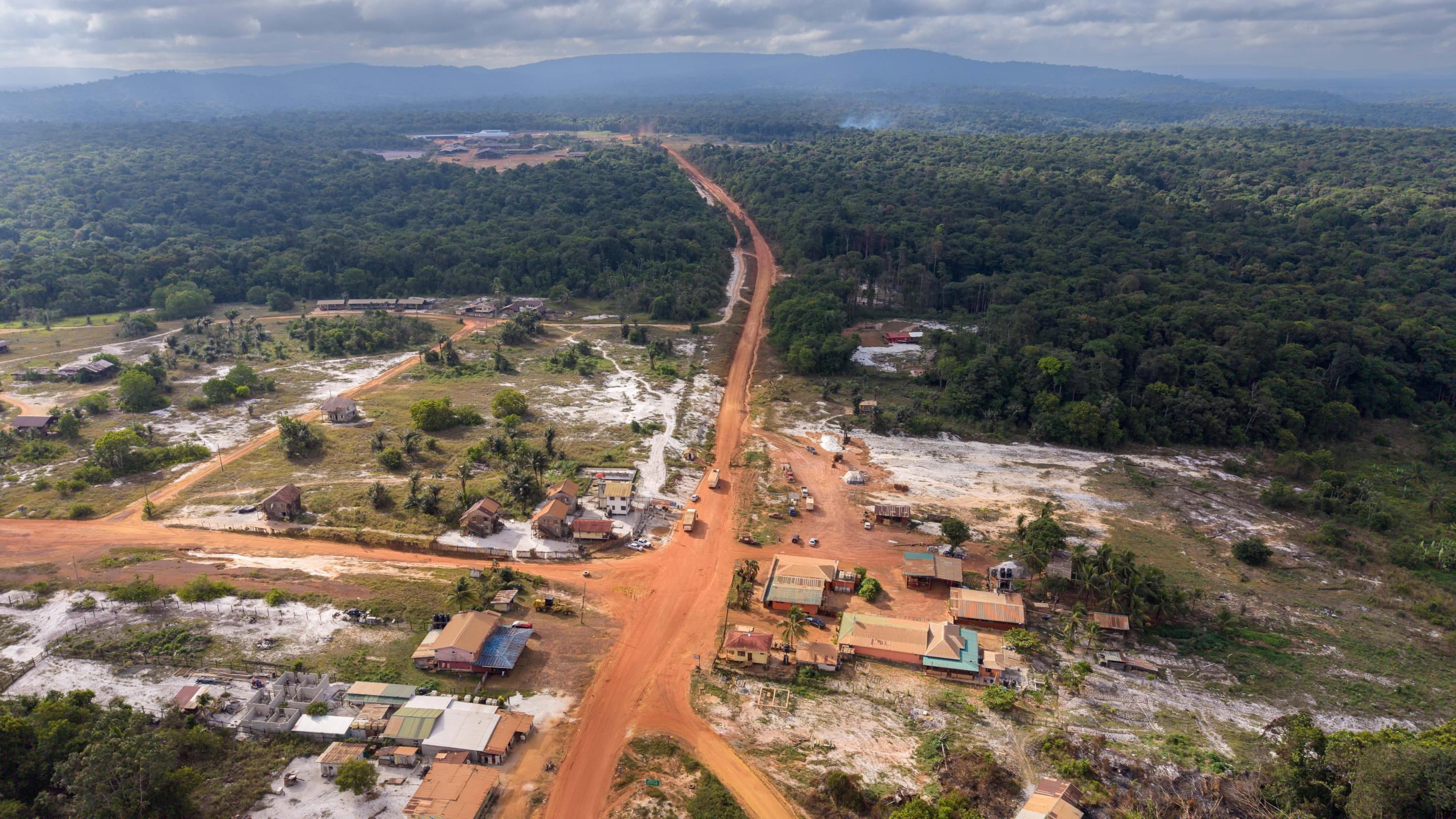
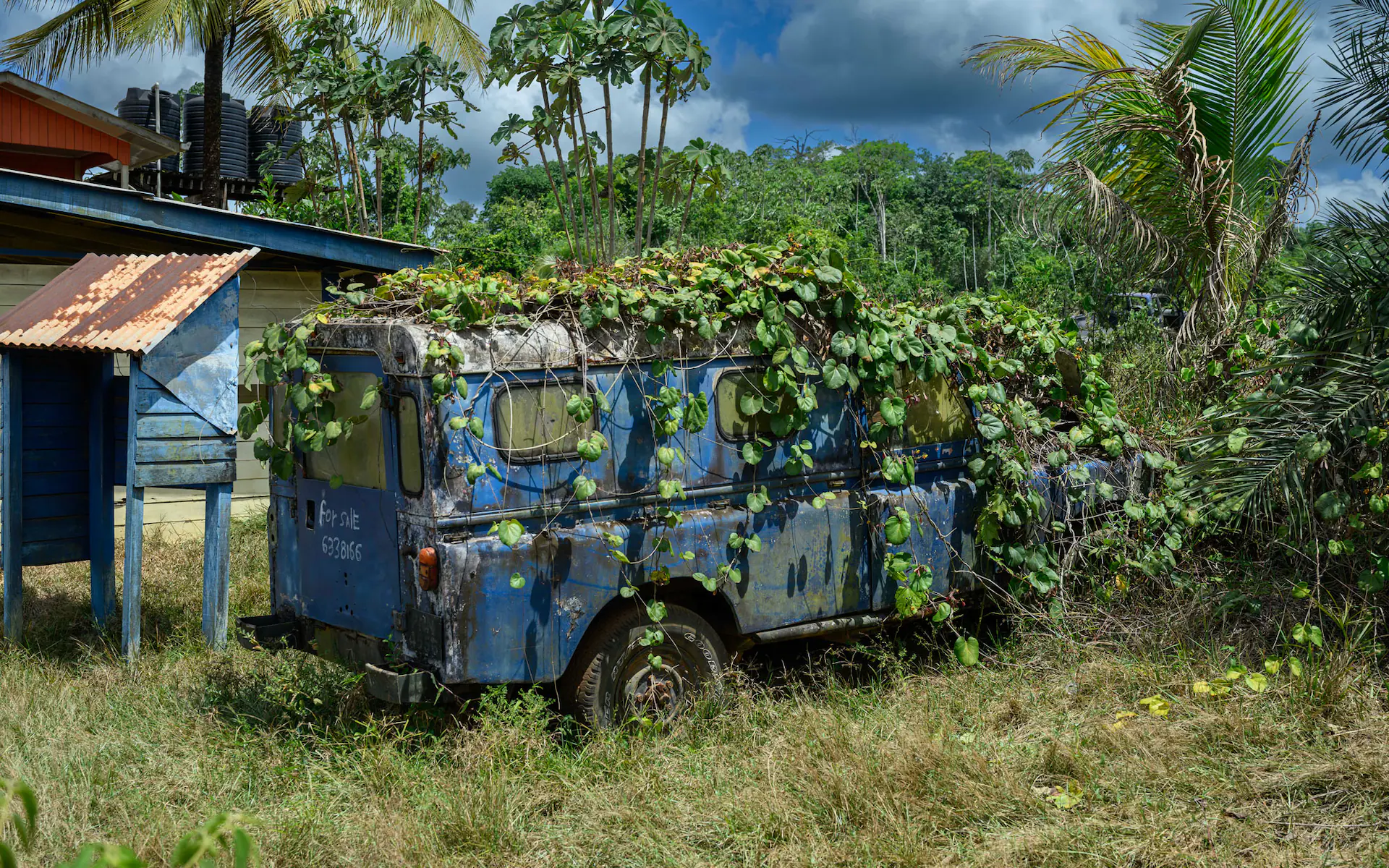
If completed, the highway to which the UK is contributing will end not in Brazil, but in a ghost town – the village of Mabura, a cluster of buildings with a population of 150, a motel, an empty bar and an ever-growing population of stray dogs and rusting cars.
Why would Britain pay for a road to nowhere? “I think that’s where the money ran out,” one local said.
Guyana is one of the most sparsely populated countries in the world and has struggled with crippling poverty. But all that changed in 2019 when the Guyanese began producing oil following the discovery of huge offshore reserves.
Now one of the world’s fastest-growing economies, it was reclassified as a "high-income" country by the World Bank in 2023.
Just as the oil boom began, the trucks rolled in to start the road, in a £140m construction project made possible with a loan from the Caribbean Development Bank and a £52m gift from the British people.
Half of that gift comes from the climate aid vehicle of the ICF. The aim of the cash is to allow countries to access clean energy, avoid deforestation, build green infrastructure, and help them adapt to the impacts of climate change.
The “climate resilient” superhighway is designed to fulfil the last of these objectives. Unlike the dirt trail, it will be passable when the rains bring floods every December.
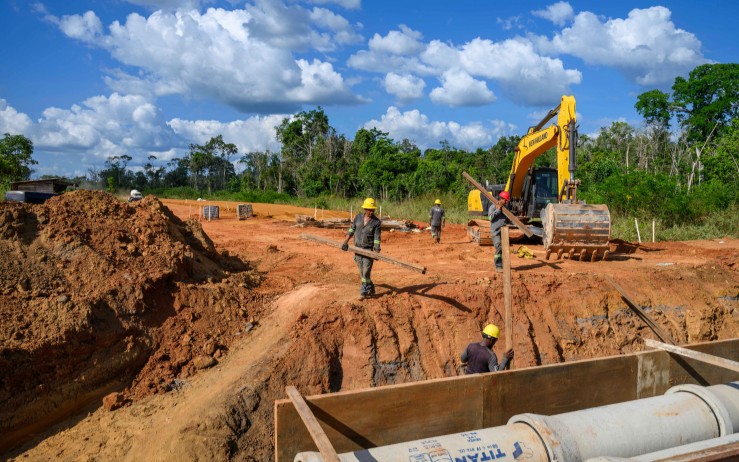
The road starts in Linden, a mining town several hours south of the capital. Despite delays – and fraud allegations – construction on the 75-mile stretch of tarmac began in December 2022. After a number of missed deadlines, the project was due to be completed next month.
But so far, it only spans 46 miles, still a long way from its destination of Mabura. Construction workers say that the hardest section, punctuated by small rivers, is yet to be tackled – and the rainy season is about to set in.
Teams in high vis clothing have so far made it to Angelina’s house. As she sits on the floor cooking on a gas fire with the structure shaking around her, she seems to have lost the concern she felt when she woke that morning in the midst of an apparent earthquake.
If her house did collapse, she would find it impossible to get out, having had her leg amputated earlier this year because of diabetes – which is rising in indigenous people because of changes in their traditional diet.
But Angelina is pleased the paved road is coming because one day she hopes that she will afford a disability scooter and if there is tarmac outside, she can get to church.
She only wishes that paving would come all the way to her hut, so she doesn't have to wait for someone to come along to carry her and her wheelchair up the slope to the road.
She doesn’t have a car, and neither do many of her neighbours, or indeed most of the residents along the road.
There are 1,400 people living along the route, documents emblazoned with the UK aid symbol declare, and it will be used by 52,000 vehicles a year – equivalent to the amount of traffic on the M25 in about five hours.
That might not be surprising, given that at 800,000, Guyana’s entire population is roughly the same as that of Liverpool.
Around 90 per cent live along the coast, which the documents announce proudly will now be connected to the interior. But they don’t say whether the interior – peppered with Amerindian tribes which cannot be contacted without government approval – is ready for that connection.
Sydney Allicock is the Toshao, the leader of the indigenous community, in 58-Mile Village, which is waiting for the tarmac to reach it from Angelina’s home a few miles north.
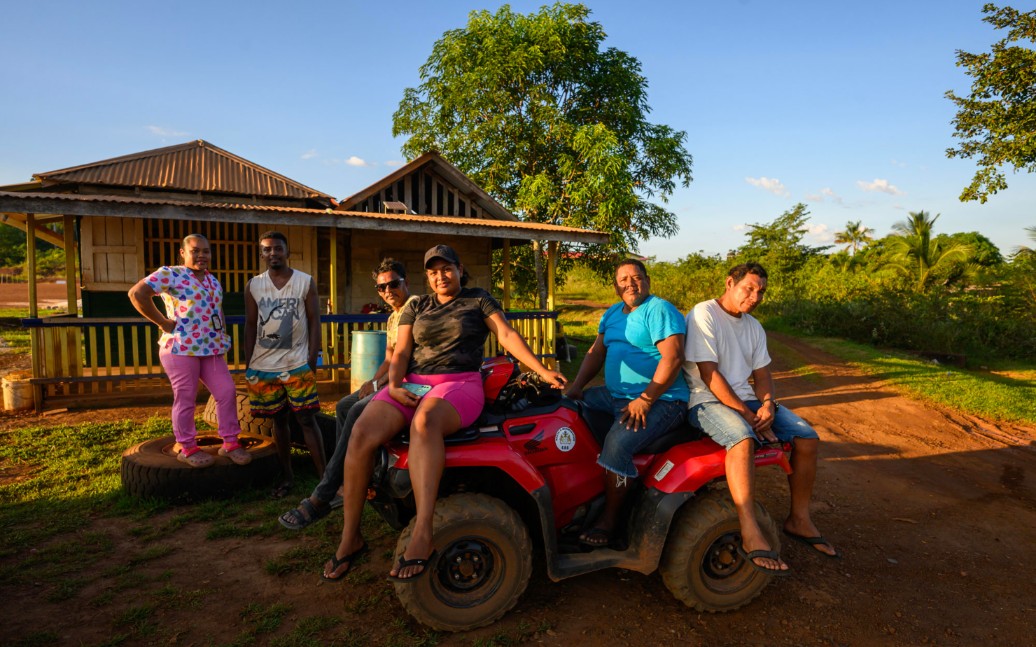
“The road will be good for this community, it will be good for business and tourism,” he tells The Telegraph as he sits in the local bar drinking a bottle of Guinness.
“But where there are positives there are also negatives. There will be an increase in the drugs trade and trafficking in persons.
“We are looking at ways we can safeguard our indigenous communities, our culture, our foods, the way we use the forest and our traditional medicines.”
He is sure that they will build the road all the way to Brazil, but that is not what the British Government paid for. The beginning and planned end of the project are marked by a sign with the UK aid symbol on it.
The road is funded out of the £349m in aid given to the UK Caribbean Infrastructure Fund, which is building roads in Saint Lucia, Grenada and Belize, as well as ports in Saint Vincent and the Grenadines and Montserrat. A total 53 per cent of that budget comes from ICF money.
In Mabura, the UK aid sign is now covered in dust and surrounded by abandoned freezers. The settlement, an old timber concession, has been leased to a succession of foreign companies and is now a ghost town.
Many of the houses stand abandoned. The bar, which plays music at full volume at night, is empty. Even residents agree that this is “nowhere”.
Reona James runs a café which is set back from the road. It is open, but her hope of passing trade is perhaps summed up by the fact that she is not fully dressed when we arrive.
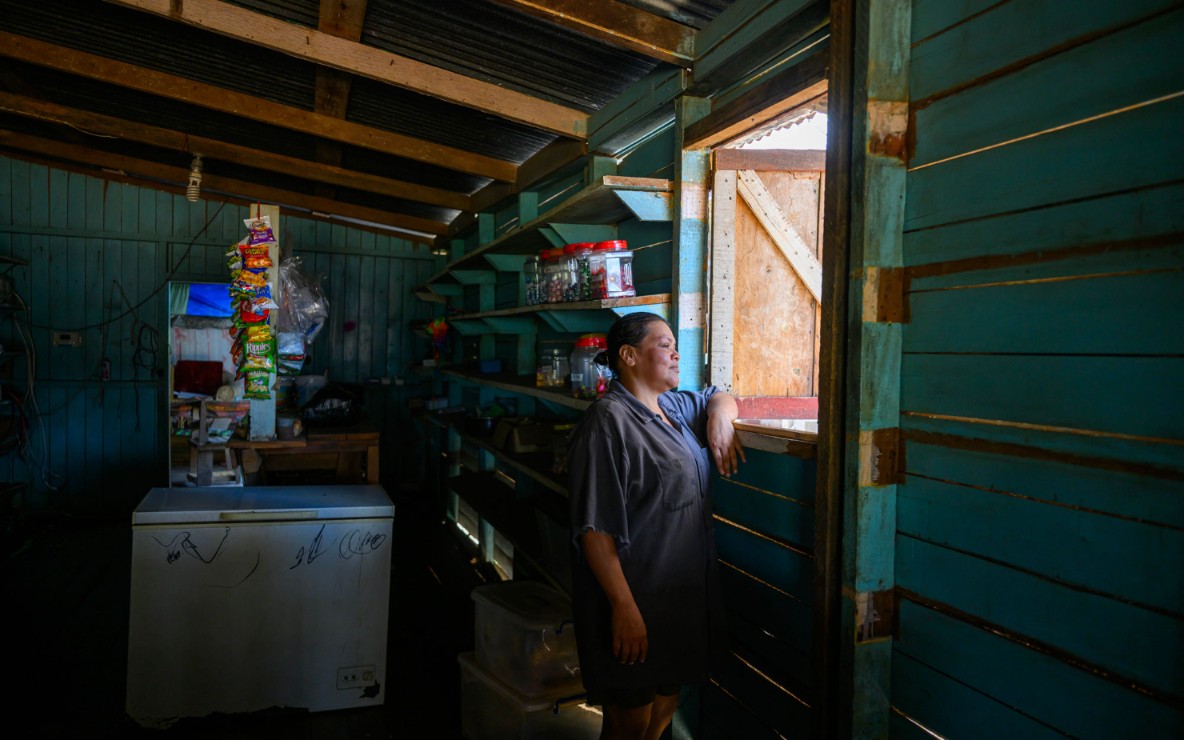
“It used to be so beautiful here, but now everything is owned by the Chinese timber company, and they have run it into the ground,” she says.
“People have abandoned their houses and it is like a ghost town, there are no people, so jaguars come in at night to hunt, they take dogs from the front porch.
“The road won’t benefit the community here. We don’t have many cars. But it will benefit the businesses and be good for the timber company.”
The jaguars, along with the otters and birds, are one of the reasons why environmentalists have long opposed the paving of the road, fearing the impact that it could have on one of the most species-rich areas of the world.
The Government’s publicly available documents on the project make no mention of any possible environmental harm, despite studies showing that paved roads become “arteries of destruction” that can dramatically increase deforestation, including from logging and mining.
Gold mines and saw mills are already dotted along the route and studies have estimated that if this road does go all the way to Brazil, more than two million acres of pristine tropical rainforest and savannah will be harmed.
The Guyanese government has nonetheless promised it will push ahead and make sure that the road ends at the border, not the middle of nowhere. This is just the start, ministers say.
And it is backed – pushed, almost – by investors in Brazil, who see the road as a shortcut to the nearest deep-water port in Georgetown and a way to export goods from the Amazon to the Caribbean and North America.
An advert by Guyana's oil industry publication celebrates that the road will "soon link South America's oil giants, boost trade and integration".
We meet an academic, who spends several months of the year at his home in his native Guyana, waiting in the blazing afternoon sun at the Kurupukari River Crossing, 60 miles south of Mabura.
Aid money was originally going to be used to build a bridge here, but as costs for the road skyrocketed, the plan was cancelled. So trucks and cars line up to cross on a rickety barge, looking as if it could sink as a Maersk shipping lorry reverses onto it.
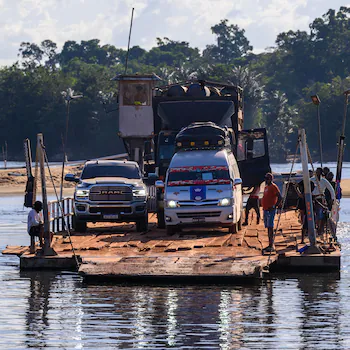
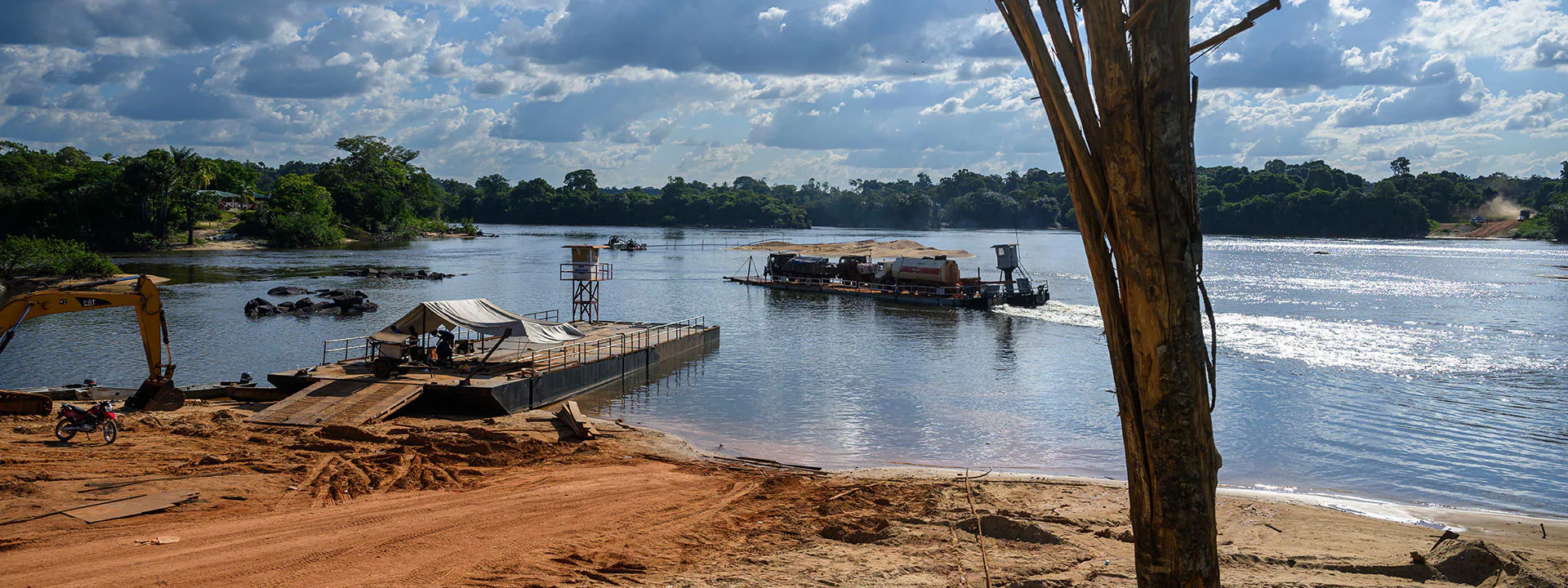
“The villages past here are indigenous Amerindian communities,” he says. “They aren’t ready for the beast that is coming from Brazil if the road ever does come this far. If these communities get assimilated, they get lost.”
He raises an eyebrow as he discovers that it is climate finance which has driven the tarmac to Mabura. “That’s problematic,” he says, unwilling to give his name as Guyana has a small academic community. “The ecosystem here is very fragile.”
Maybe the rest of the road will be built with oil money rather than green finance.
But Guyana stands at a crossroads between joining the global economy or choosing a more sustainable way of life, a tension highlighted by the fact that some of its biggest exports are oil and carbon offset credits.
It could be another 100 years before the tarmac passes Mabura deeper into the heart of the protected rainforest, through wetlands and across the savannah.
If it does happen, there is a certain irony that taxpayers’ money meant to help fight climate change paved the way.
The Guyanese road to nowhere is not the only project benefiting from British aid money…
The ‘INCLUSIVE’ programme to reduce OCEAN PLASTIC in landlocked COUNTRIES
The British Government believes it can harness the power of what is described as “youth-led storytelling” to “turn the tide” on the plastic polluting the oceans – but has spent the cash in landlocked countries.
The £4m Championing Inclusivity in Plastic Pollution (CHIPP) scheme has received green aid in order to “educate and empower young people” and give them a “voice” to tackle marine plastic.

Projects were launched in Zimbabwe and Uganda as well as the Democratic Republic of Congo, which has a tiny 25-mile coastline.
These grants to landlocked counties were smaller than those going to coastal nations, including India, Madagascar and Kenya, officials argue in the latest review of the project.
The Tide Turners plastic challenge, which makes up a part of the CHIPP programme, is run by the UN and is “a youth environmental education and advocacy initiative which seeks to educate and empower young people on marine plastic pollution”.
The programme will include “youth-led storytelling” as it tries to “give them a voice in the fight against plastic pollution” and, in turn, influence policy and communities.
It is funded by the Department for Environment, Food and Rural Affairs, which, in response to a freedom of information request, said it did not hold detailed accounts of how the money was spent.
Rusting SOLAR PANELS on SCHOOLS in ZIMBABWE
Zimbabwe’s government ministers lined up to applaud a solar project in 150 rural schools, paid for with UK aid.
Journalists were taken on a tour of selected classrooms and told how the scheme would transform education, allowing pupils to use computers and attend evening classes.
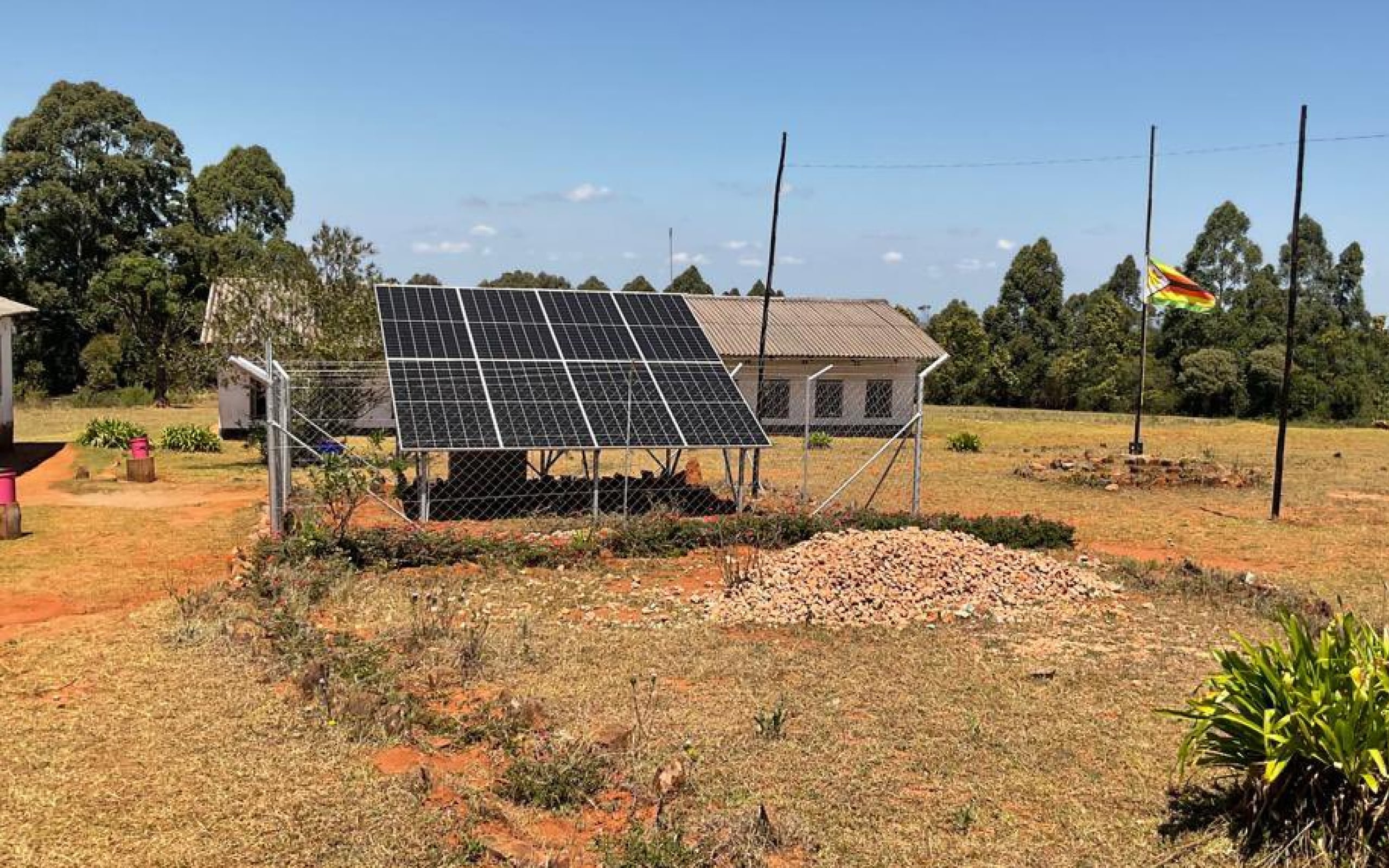
But when the Foreign Office did its own field visit, it found a different story.
Headteachers raised concerns about rusting and broken panels in their schoolyards which were not powerful enough to run a TV.
They did not even have computers to run off their new electricity, and the “main use” was for teachers in the evenings, British officials were told.
Concerns reported in July 2024 included theft of the panels, which pictures show were left unsecured outside ramshackle one-storey buildings.
Some teachers raised concerns that they didn’t have any IT equipment to power from the new electricity.
The project review continued: “The current system is insufficient for the running of domestic appliances such as fridges and TVs.
“The full potential of the systems has not yet been realised. The main use of the electricity currently reported is in the evening for planning and personal use by teachers.”
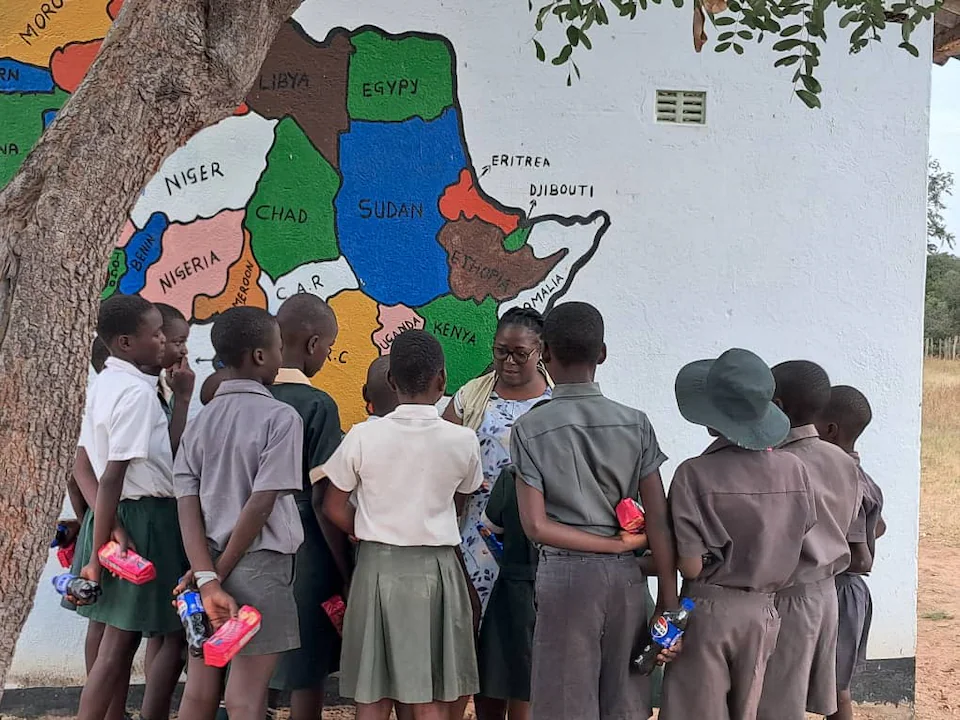
Others said that systems were rusting, or components such as switches and lightning conductors were missing or broken.
Two schools surveyed said “the only benefit they could see was charging phones of parents and teachers”.
But the Government concluded that Zimbabwe’s education ministry “continues to express support” and it is one part of the project “around which Unicef has developed high-quality case studies for public communication”.
A later full Foreign, Commonwealth and Development Office review of the project confirmed that “across most schools, the basic need for ICT equipment, phone charging and lighting was consistently met” and that the majority of headteachers had reported positive changes in learning outcomes and engagement of students and teachers.
In other countries, the Foreign Office has avoided small-scale solar projects in rural areas because officials say the cost of maintaining them is “prohibitively expensive”.
An ‘INSULT’ to the BRITISH PUBLIC: the story of the ICF
As taxpayers struggle with the cost of living at home, questions have been raised about why millions are being spent on questionable projects abroad.
Lord Mackinlay, a Conservative peer and director of the think tank The Global Warming Policy Foundation, said: “The mind boggles at how anyone could have thought these projects were a sensible use of taxpayers’ money.
“They are an insult to the British public, who rightfully demand that their taxes are spent on their priorities, and are suffering under the highest tax and national debt burden in a generation.
“When you have people struggling to choose between heating and eating, these warped priorities make a mockery of their hardship.”
After a four-month freedom of information battle, the Government revealed to The Telegraph the details of £5.6bn in climate spending.
Money for other schemes is still being “processed” or “finalised”, leaving £6bn unaccounted for with just six months until the target date.
ICF comes from the foreign aid budget and the pledge to spend £11.6bn between 2021 and 2026 – double the previous commitment – was first made in 2019.
It is understood that the Tory Government had planned to ditch the promise amid fears that it would not meet the target and it could affect other spending.
But when Labour was elected, it promised to meet the target. Mr Miliband, the Energy Secretary, said it would send “a powerful signal to the world that we are serious about the leadership role the UK can play in driving global climate action”.
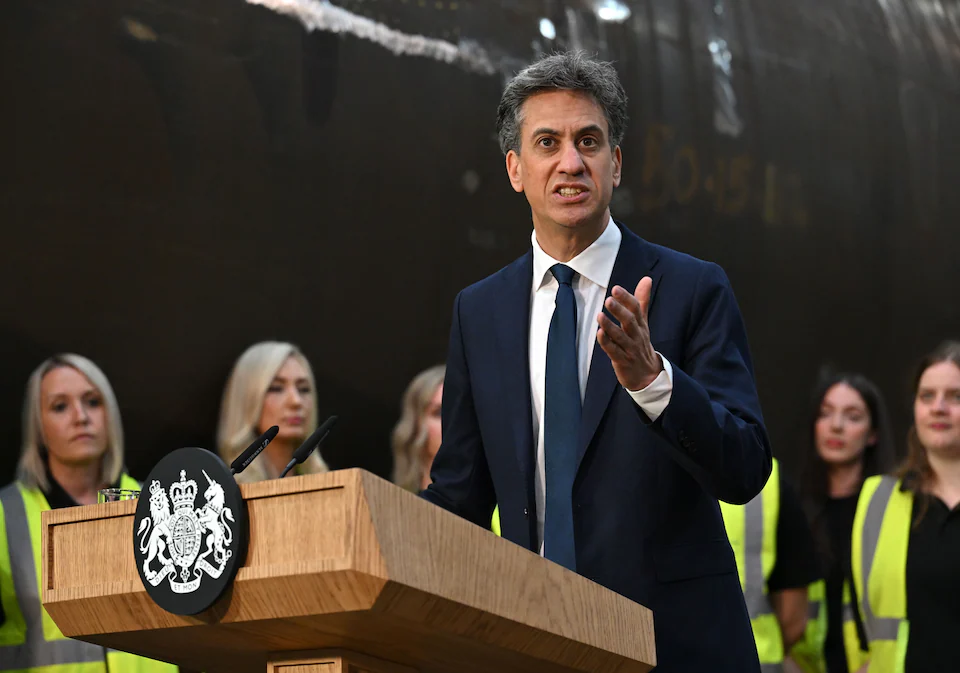
The Independent Commission for Aid Impact, the aid watchdog, said in 2024 that it would be “challenging” to spend all the cash, particularly amid the war in Ukraine.
Now critics have questioned whether ministers are rushing to spend ICF money to appear green rather than thinking of the impact of their spending.
John O'Connell, chief executive of the TaxPayers' Alliance, said: "Taxpayers are sick of seeing their hard-earned cash whittled away on questionable projects in far-away places while living standards at home continue to slide.
"Given the state of the public finances and the challenges the Government is facing in terms of cutting spending, green aid is an inappropriate use of precious funds, even if those funds were being used for their intended purpose.
“What these examples show, however, is that this green aid is in many cases not even being used to mitigate the impact of climate change.
"The Government should be winding down these projects and cancelling any future ones."
Another scheme, which received £69m in green cash, involved aid workers handing out condoms in the Congo basin to increase “access to contraception… to reduce demographic pressures on forests” and therefore slow the rate of deforestation.
It was part of a £250m aid programme that is described as “central” to the Government’s ICF portfolio, which also includes setting up renewable energy projects, improving weather warnings, handing out cookstoves and protecting forests in Sub-Saharan Africa.
Dozens of the 316 programmes analysed by The Telegraph made no mention of how their activities related to ICF in publicly available documents. Indeed, in some cases, any connection to the climate was hard to discern.
Almost one in 10 of the programmes to receive funding reported fraud or theft in its latest review. It is feared that the issues are much more widespread amid chronic underreporting in the sector.
Not all of the projects were financed entirely with climate finance, but it made up a proportion of their budget.
The Government says that since the first ICF budget in 2011, it has supported an estimated 137 million people to adapt to the effects of climate change, reduced 145 million tons of greenhouse gas emissions and ensured 12 million hectares of land are managed more sustainably.
A spokesman said: “This Government is determined to maximise the impact of its aid spending overseas, and that means demanding value for money for every pound we spend.
“Projects backed by the UK have already helped to mobilise billions in private investment, have helped 137 million people adapt to the effects of climate change and provided 89 million people with improved access to clean energy.
“Over the coming years, we will maintain that relentless focus on the results we are delivering through our support.”
Source: https://www.telegraph.co.uk/news/2025/10/31/guyana-52-million-pound-climate-road-to-nowhere-british-taxpayers-funding/

Comments